Lars Ludwig · 9 October 2026
Shifting Content Distribution Patterns Among Solo Operators in Fragmented Web Environments
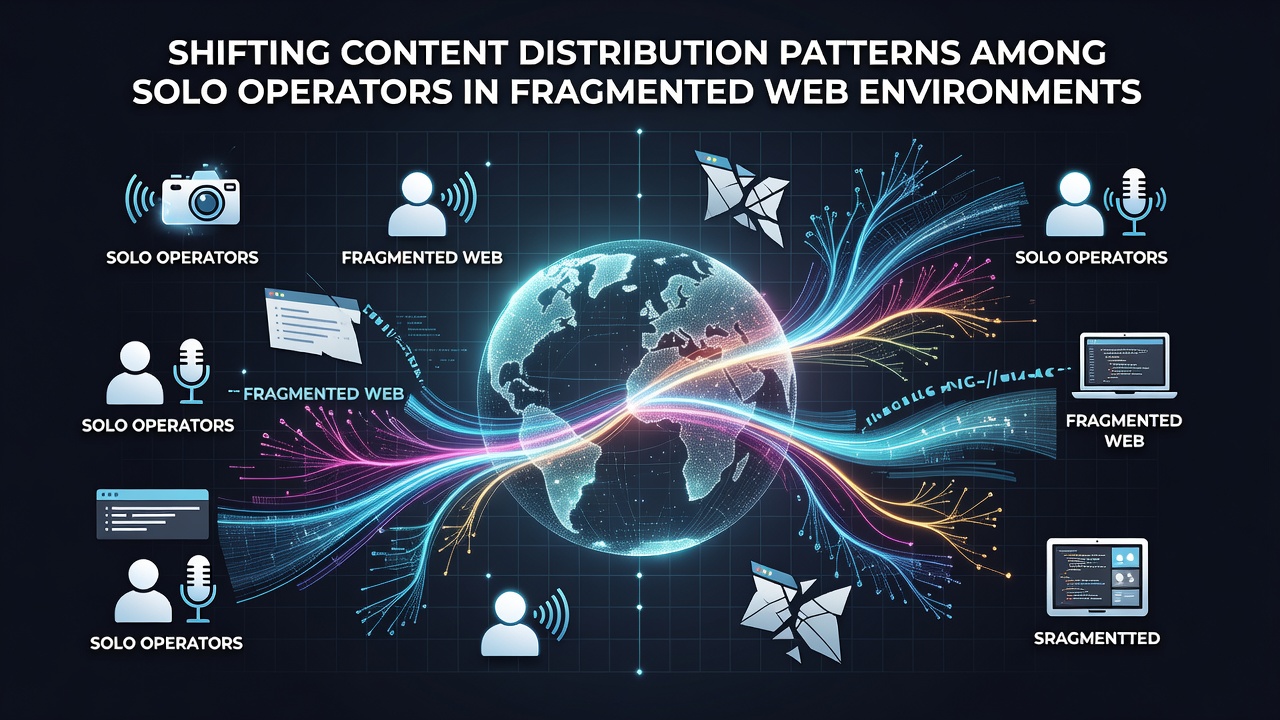
Content distribution for solo operators has moved away from reliance on single large platforms toward a mix of direct channels and smaller networks that operate independently of one another. Data collected through October 2026 shows operators increasingly route material through email lists, personal sites, and emerging protocols while maintaining limited presences on algorithm-driven services. This pattern reflects broader changes in how audiences locate material online and how operators manage reach without depending on centralized gatekeepers.
Background on Platform Fragmentation
Web environments have split into distinct ecosystems since the early 2020s, with major services altering recommendation systems and smaller alternatives gaining users. Operators who once posted primarily to one or two networks now maintain separate workflows for each destination. Figures from industry tracking services indicate that the share of traffic arriving via social referrals dropped steadily between 2023 and 2026, while direct visits and newsletter opens rose in the same period. Researchers tracking these shifts note that operators adapted by building owned assets rather than optimizing exclusively for third-party feeds.
Fragmentation appears in the form of protocol-level alternatives such as ActivityPub implementations and newer decentralized publishing tools. Solo operators have tested these options alongside established channels, creating parallel distribution streams that do not share data or audience overlap. The result is a landscape where a single piece of content may appear in multiple formats across unrelated systems, each requiring separate formatting and timing decisions.
Observed Distribution Methods in 2026
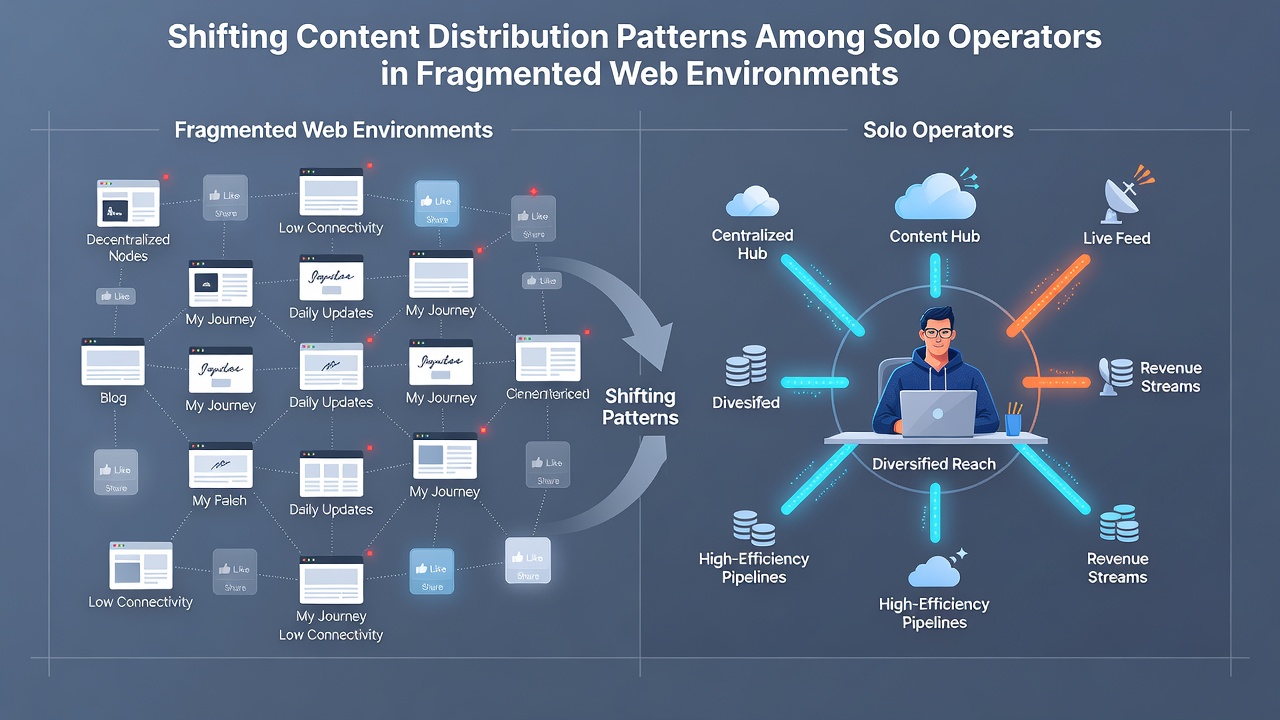
By October 2026, operators commonly combined website RSS feeds with email delivery and selective cross-posting to niche communities. Traffic analytics from multiple operator sites reveal that newsletter subscribers now account for a larger portion of repeat visits than social referrals in many independent operations. Operators also route material through private messaging groups and forum threads that function outside public indexing. These methods reduce dependence on any single algorithm while increasing the number of distinct audience touchpoints that must be maintained.
Studies of publishing activity show operators allocating time across four to six separate channels rather than concentrating efforts on one or two. Each channel demands its own content adjustments, such as shorter excerpts for certain networks or full-length versions for direct subscribers. The added steps increase operational overhead but also create redundancy that protects against sudden changes on any individual platform.
Drivers Behind the Pattern Changes
Algorithm updates on large platforms have repeatedly altered visibility for non-commercial accounts, prompting operators to seek more stable alternatives. Reports from the European Commission on digital market dynamics document how changes in ranking systems affected smaller publishers between 2024 and 2026. At the same time, growth in privacy-focused browsing tools reduced the effectiveness of tracking pixels and cross-site attribution, making direct relationships more measurable. Operators responded by prioritizing channels where audience data remains under their control.
Technical developments also played a role. Improvements in static site generators and lightweight publishing software lowered the barrier to maintaining independent websites. Simultaneously, standardized feed formats allowed operators to syndicate content automatically across compatible services. These tools enabled solo practitioners to sustain multiple outlets without hiring additional staff. Data from academic analyses of web publishing infrastructure confirm that adoption of these methods increased notably in 2025 and continued through the following year.
Regional Variations in Adoption
Patterns differ by region according to local infrastructure and regulatory conditions. In Canada, operators have leaned on government-supported digital literacy programs that emphasize direct audience building, with Statistics Canada reports showing higher newsletter usage among independent creators compared with earlier years. European operators, subject to stricter data rules, have shifted toward consent-based email systems and federated networks. Australian operators show similar movement toward owned channels, according to figures released by the Australian Competition and Consumer Commission on digital platform dependency. These regional differences produce varied mixes of tools and priorities even as the overall direction remains consistent.
Impact on Audience Measurement
Fragmented distribution complicates traditional analytics because audiences no longer follow predictable paths between platforms. Operators now combine data from multiple sources, including server logs, email platform reports, and individual network dashboards. Research from university media studies departments indicates that single-source metrics undercount total reach when content travels through disconnected systems. As a result, operators have adopted aggregated reporting approaches that track unique identifiers across channels where privacy rules permit.
Conclusion
Shifting distribution patterns among solo operators reflect ongoing adaptation to a web environment composed of independent networks rather than dominant hubs. Evidence through October 2026 points to sustained growth in direct and federated channels alongside reduced reliance on centralized referral traffic. Operators continue to refine multi-channel workflows that balance reach with control, supported by technical tools and regional policy contexts that favor owned assets. These developments reshape how content moves from creator to audience without concentrating power in any single intermediary.